.png)


_edited.jpg)
Master Medical Equipment & Diagnostics with Confidence
Gain practical skills in lab operations, device handling, sales, and biomedical compliance — fully online and industry-aligned.
From Diagnostics to Devices — Train & Deploy
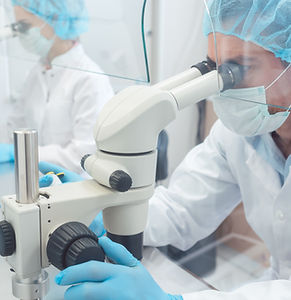
⚗️ Lab Reagents & Equipment
🔹 Lab Reagents Laboratory reagents are chemicals, substances, or solutions used in scientific experiments, medical testing, and industrial analysis. They are essential for detecting, measuring, or producing other substances under controlled conditions. Types of reagents: Analytical Reagents – for testing, measurement, and analysis (e.g., titration solutions, indicators). Diagnostic Reagents – used in medical labs for disease detection (e.g., blood test kits, ELISA reagents). Biological Reagents – enzymes, antibodies, cell cultures, DNA/RNA kits. Chemical Reagents – solvents, acids, salts, and buffers for research & production. ✅ Reagents must be pure, stable, and standardized to ensure accurate and reproducible results. 🔹 Lab Equipment Laboratory equipment refers to the instruments, machines, and tools used to conduct experiments, process samples, and ensure safety and accuracy in research or diagnostics. Examples include: Basic Equipment – microscopes, centrifuges, pipettes, balances. Analytical Instruments – spectrophotometers, chromatography systems, PCR machines. Safety Equipment – fume hoods, biosafety cabinets, autoclaves. Storage Equipment – refrigerators, freezers, incubators. ✅ Lab equipment ensures precision, safety, and efficiency in experimental and diagnostic processes. 🌍 Importance in Healthcare & Pharma Pharma Industry: Drug discovery, quality control, formulation testing. Medical Labs: Diagnostics, pathology tests, genetic testing. Research Institutions: Academic and industrial R&D. Hospitals & Clinics: Routine patient diagnostics and monitoring. In short: Lab reagents and equipment are the backbone of modern science and healthcare, enabling accurate testing, diagnosis, and innovation.

🏥 Medical Devices & Equipment
🔹 Medical Devices Medical devices are instruments, apparatus, machines, implants, or software designed for the diagnosis, prevention, monitoring, treatment, or alleviation of disease. Unlike medicines, they work through physical or mechanical action rather than chemical action in the body. Examples: Diagnostic Devices – blood pressure monitors, glucometers, ECG machines, imaging systems (X-ray, MRI, ultrasound). Therapeutic Devices – infusion pumps, dialysis machines, ventilators. Surgical Instruments – scalpels, forceps, endoscopes. Implants – pacemakers, artificial joints, dental implants. Digital Health Devices – wearable trackers, telemedicine kits, diagnostic apps. ✅ They must meet strict safety, efficacy, and regulatory standards (e.g., FDA, CE, WHO). 🔹 Medical Equipment Medical equipment refers to the larger instruments and machines used in hospitals, clinics, and laboratories for patient care, diagnosis, or treatment. Examples: Hospital Equipment – hospital beds, wheelchairs, defibrillators, sterilizers. Operating Room Equipment – anesthesia machines, surgical tables, lights. Critical Care Equipment – ventilators, patient monitors, infusion pumps. Diagnostic Equipment – CT scanners, MRI machines, ultrasound systems. Laboratory Equipment – centrifuges, microscopes, analyzers. ✅ Medical equipment is often high-value, requires maintenance, calibration, and operator training to ensure reliability and accuracy. 🌍 Importance in Healthcare Improves diagnosis accuracy and treatment outcomes. Enhances patient monitoring and safety. Supports modern healthcare delivery (digital, telemedicine, minimally invasive surgery). Enables early detection and prevention of diseases. In short: Medical devices and equipment are essential tools that empower healthcare professionals to deliver safe, efficient, and effective care to patients.

🌿 Non-Pharmaceuticals
Non-pharmaceuticals are healthcare and wellness products, interventions, or solutions that do not involve prescription or over-the-counter medicines. Instead, they focus on prevention, management, support, or improvement of health through non-drug approaches. 🔹 Categories of Non-Pharmaceuticals Nutraceuticals & Functional Foods – vitamins, minerals, herbal supplements, fortified foods. Medical Devices & Equipment – diagnostic, therapeutic, or monitoring devices (e.g., glucometers, blood pressure monitors, wheelchairs). Wellness & Preventive Care Products – fitness equipment, wearables, lifestyle apps, personal protective equipment (PPE). Rehabilitation & Assistive Products – prosthetics, hearing aids, mobility aids. Digital Health Solutions – telemedicine platforms, health apps, remote monitoring systems. Lifestyle & Behavioral Interventions – diet management, physiotherapy, counseling, exercise programs. 🔹 Importance of Non-Pharmaceuticals Preventive Health – reduces disease risks before they occur. Chronic Disease Management – supports conditions like diabetes, hypertension, or arthritis without relying solely on drugs. Quality of Life – improves mobility, nutrition, fitness, and mental wellbeing. Complementary Role – often used alongside pharmaceuticals for holistic care. ✅ Pharmaceuticals = treat/cure disease through drugs. ✅ Non-Pharmaceuticals = support health, prevention, and management through non-drug solutions. In short: Non-pharmaceuticals are all the health-improving solutions beyond medicines—covering wellness, prevention, technology, and supportive care.
🩺Laboratory Equip/Reagents Training

1: Introduction to Laboratory Sales
Overview of the lab equipment market Types of laboratory instruments (diagnostic, analytical, research) Industry trends & innovations in lab technology Key players: manufacturers, distributors, research institutions
2: Lab Equipment Product Knowledge
Understanding specifications & functions of lab devices Demonstrating lab instruments effectively Competitive product positioning Linking technical features to customer needs

3: Sales Fundamentals for Lab Equipment
The lab equipment sales cycle Identifying potential clients (labs, hospitals, research centers) Building value-driven proposals Handling technical objections

4: Marketing Strategies for Lab Equipment
B2B marketing in the scientific sector Product brochures, technical sheets, and presentations Launching new lab products Case studies of successful lab equipment campaigns
5: Compliance & Procurement in Lab Sales
Quality standards & certifications for lab instruments Procurement processes in labs and research facilities Vendor approval requirements Contract negotiation strategies
Title Goes Here
I’m a paragraph. Double click
me or click Edit Text. It's easy to make it your own.
🩺 Medical Devices Training
1: Introduction to the Medical Device Industry
Market overview & growth trends Types of medical devices (diagnostic, therapeutic, surgical) Key industry stakeholders: hospitals, clinics, procurement agencies
2: Medical Device Product Knowledge
Technical specifications & clinical applications Demonstrating device usage to healthcare professionals Competitive product benchmarking Understanding patient benefits
3: Sales Strategies for Medical Devices
The medical device sales process Hospital procurement & tendering systems Value-based selling in healthcare Overcoming sales barriers in medical environments
4: Marketing Medical Devices
Digital healthcare marketing (SEO, social media, content) Creating impactful presentations & demos Medical device product launch strategies Case examples of winning campaigns
5: Regulatory & Ethical Selling
Device classification & regulations (FDA, CE, ISO) Advertising compliance & ethical promotion Maintaining trust with healthcare professionals
Title Goes Here
I’m a paragraph. Double click
me or click Edit Text. It's easy to make it your own.
Orthopaedic Surgical Device Sales & Marketing Training
For selling implants, surgical instruments, and operating theatre solutions
Orthopaedic Rehabilitation & Consumer Product Sales & Marketing Training
For selling braces, supports, mobility aids, and prosthetics to clinics, pharmacies, sports centers, and end-users
Theatre Products Sales & Marketing Training
Specialized Training for Selling to Operating Theatres & Surgical Centers
Theatre Products Sales & Marketing Training
Specialized Training for Selling to Operating Theatres & Surgical Centers
Non-Pharmaceutical Sales & Marketing Training
For consumer goods, retail, tech, manufacturing, FMCG, services, and more
B2B Non-Pharma & B2C Non-Pharma
🎯 Ready to master medical devices and diagnostic tools?
Join our trusted, certified training programs for labs and medtech professionals.
5pm-8pm
DAILY
WELCOME
What Our Clients Say
_edited_edited_edited_edited.jpg)
Name, Title
"I'm a testimonial. Click to edit me and add text that says something nice about you and your services. Let your customers review you and tell their friends how great you are."
Quick Links
-
🏠 Home
-
📚 All Student Courses
-
📝 Enroll Now
-
🎓 Career Support & Internships
-
📄 Request Certificate
-
💬 Contact Support
Get Certified With Confidence
-
Medical Sales & Ethics
-
Digital Healthcare & Soft Skills
-
Lab Equipment & Pharma Product Knowledge
-
CV, LinkedIn, and Interview Prep for Students
-
🔖 All courses are verified, downloadable, and career-friendly
Support & Corporate Access
-
❓ FAQs for Distributors
-
📧 Email: students@sameph.com
-
📞 Hotline:
-
💬 WhatsApp Chat (24/7 Support)
-
🗂️ Request a White-Label LMS
Student Resources
-
📥 Student Starter Guide PDF
-
🎥 Platform Orientation Video
-
📅 Upcoming Webinars & Bootcamps
-
📘 Blog: Tips for Medical & Science Students
🔐 Privacy Policy | 📄 Terms of Use | ✅ Certification Validity
🔬 Accredited content aligned with PPB, KMLTTB, and MOH standards
🛡 CPD-ready modules available upon request